
Last Updated: February 2026
Liechtenstein is one of Europe’s smallest and least-visited countries — a tiny alpine principality squeezed between Switzerland and Austria that most travelers drive through without realizing they’ve crossed a border. But those who stop are rewarded with dramatic mountain scenery, a fairy-tale castle, world-class hiking, and the quiet charm of a country with more registered companies than citizens. Here’s everything a visitor needs to know to plan a trip to Liechtenstein in 2026.
🇱🇮 Liechtenstein at a Glance
| Capital | Vaduz |
| Population | ~40,000 (2026) |
| Currency | Swiss Franc (CHF) |
| Language | German (Alemannic dialect) |
| Time Zone | CET (UTC+1) · CEST in summer (UTC+2) |
| Plug Type | Type C and J · 230V / 50Hz |
| Driving Side | Right |
| International Driving Permit (IDP) | Recommended — see IDP guide |
| Schengen Member | Yes — since 2011 |
| Emergency Number | 112 (EU-wide) · 117 (police) · 118 (fire) · 144 (ambulance) |
Entry Requirements for Liechtenstein
Liechtenstein is part of the Schengen Area, meaning it follows the same entry rules as the other 28 Schengen member countries. What you need to enter Liechtenstein depends on your nationality.
Visa-Exempt Visitors (US, UK, Canada, Australia, and Others)
Citizens of 59 visa-exempt countries — including the United States, United Kingdom, Canada, Australia, New Zealand, Japan, and most Latin American nations — can enter Liechtenstein without a visa for short stays of up to 90 days within any 180-day period. This is the standard Schengen 90/180-day rule, and it applies across all 29 Schengen countries combined, not just Liechtenstein.
To enter Liechtenstein as a visa-exempt visitor, your passport must meet two requirements. It must have been issued within the last 10 years at the time of entry, and it must remain valid for at least three months after your planned departure date from the Schengen area.
Visitors Who Need a Visa
If your country is not on the visa-exempt list, you’ll need a Schengen short-stay visa (Type C) before traveling. Liechtenstein does not have its own consular network — you apply through the Swiss embassy or consulate in your home country, as Switzerland handles Liechtenstein’s visa processing. This visa allows stays of up to 90 days within a 180-day period and typically costs €80 for adults.
Use our Europe Travel Planner to find out exactly what your nationality requires.
What’s Changing at Liechtenstein’s Borders in 2026
Two major systems are transforming how non-EU visitors enter the Schengen area. While Liechtenstein has no staffed border crossings of its own, these systems still apply to you — they’ll be processed at whichever Schengen border you first enter (likely a Swiss or Austrian airport or land crossing).
Entry/Exit System (EES)
The Entry/Exit System began its phased rollout on October 12, 2025, and is expected to be fully operational at all Schengen border crossings by April 10, 2026. EES replaces the old passport-stamping process with a digital system that records biometric data — fingerprints and facial images — along with your passport details and entry/exit dates.
The first time you enter the Schengen area under EES, border officials will collect your fingerprints and take a facial photograph. Once registered, the data stays valid for three years, and subsequent entries only require identity verification rather than a full re-registration.
ETIAS — Europe’s New Travel Authorization
The European Travel Information and Authorization System (ETIAS) is expected to launch in late 2026, likely in October or November. Once operational, all visa-exempt travelers — including Americans, Britons, Canadians, and Australians — will need to apply for ETIAS authorization before traveling to any Schengen country, including Liechtenstein.
The ETIAS application is completed online and takes roughly 10 minutes. It asks for personal details, passport information, and security-related questions. The fee is €20 for travelers aged 18 to 70 (free for those younger or older). Once approved, ETIAS is valid for three years or until your passport expires, whichever comes first. It covers all 29 Schengen countries, so you don’t need a separate authorization for each destination.
Getting to Liechtenstein
Liechtenstein has no airport, no railway station with international service, and no motorway exit with its name on it. Getting there is part of the adventure — and easier than it sounds, since the country sits right between two of Europe’s best-connected nations.
By Air (via Switzerland or Austria)
The nearest major airport is Zurich (ZRH), approximately 120 km west — about 1.5 hours by car or 2 hours by train and bus. Friedrichshafen Airport (FDH) in southern Germany is closer (~80 km) but has limited routes. Innsbruck (INN) in Austria is roughly 160 km southeast. From any of these airports, a combination of train and bus will get you to Vaduz.
By Train and Bus
The closest train station to Vaduz is Sargans (Switzerland) or Feldkirch (Austria), both served by regular Swiss and Austrian rail services. From Sargans, LIEmobil bus 12E reaches Vaduz in about 20 minutes. From Feldkirch, LIEmobil bus 12 reaches Vaduz in about 30 minutes. Both bus connections run frequently throughout the day.
By Car
Liechtenstein is sandwiched between Switzerland and Austria with completely open borders. From Zurich, take the A3/A13 motorway toward Chur and exit at Sargans or Buchs — from there it’s a short drive across the Rhine into Liechtenstein. From Innsbruck or other Austrian points, approach via the A14 motorway through Feldkirch. The entire country is about 25 km long and 12 km wide, so once you’re in, everything is close.
A Swiss motorway vignette (CHF 40, valid one calendar year) is required if you’re driving on Swiss motorways to reach Liechtenstein. Austrian motorways require a separate vignette. Liechtenstein itself has no motorway toll.
Getting Around Liechtenstein
Liechtenstein is tiny — the entire country is smaller than most European cities. Getting around is simple, and you don’t need a car unless you’re heading deep into the mountains.
Bus
LIEmobil operates the country’s public bus network, connecting all 11 municipalities. Buses are modern, frequent, and affordable. A single zone ticket costs CHF 3.40, and a day pass for all zones costs CHF 9.60. The network connects seamlessly with Swiss and Austrian transit at Sargans, Buchs, and Feldkirch. Buses run from early morning until late evening, with reduced service on Sundays.
On Foot and By Bike
The Rhine Valley floor where most towns sit is flat and compact. Walking between Vaduz and neighboring Triesen or Schaan takes 20–30 minutes. Liechtenstein has well-marked cycling paths along the Rhine and through the valley, and bikes can be rented in Vaduz. For a tiny country, the cycling infrastructure is excellent.
Driving
A car is useful for reaching mountain areas like Malbun or the higher alpine roads, but unnecessary for the valley towns. Parking in Vaduz is straightforward and mostly free or inexpensive. Speed limits are 50 km/h in towns and 80 km/h on open roads — there are no motorways in Liechtenstein. Fuel is generally cheaper than in neighboring Switzerland.
International Driving Permit: An IDP is recommended for non-EU drivers. See our International Driving Permit guide for how to get one in your country.
Where to Go in Liechtenstein
Liechtenstein is small enough to see the highlights in a day, but spending a night or two allows you to enjoy the mountain scenery and hiking at a more relaxed pace.
Vaduz
The capital (population ~5,800) is more of a large village than a city, but it punches above its weight culturally. The Kunstmuseum Liechtenstein houses an impressive modern and contemporary art collection. The Liechtensteinisches Landesmuseum covers the country’s history from prehistoric times through its unusual path to sovereignty. The pedestrianized Städtle main street has cafes, shops, and the tourist office where you can get the famous Liechtenstein passport stamp (CHF 3 — one of the country’s most popular souvenirs). Above it all, Vaduz Castle perches on a forested ridge overlooking the town — it’s the official residence of the Prince of Liechtenstein and not open to the public, but the walk up to the viewpoint is rewarding.
Malbun
Liechtenstein’s only ski resort sits at 1,600 meters in a small alpine valley at the end of the road. It’s a family-friendly resort with modest terrain — perfect for beginners and intermediates, with none of the crowds or costs of major Swiss or Austrian resorts. In summer, Malbun transforms into a hiking and mountain biking base, with trails ranging from easy valley walks to challenging alpine routes. The Sareis chairlift operates in both seasons and provides access to panoramic viewpoints.
The Princes’ Way (Fürstensteig)
Liechtenstein’s most famous hiking trail is a dramatic ridgeline path carved into the cliffs of the Drei Schwestern (Three Sisters) mountain range along the Austrian border. The trail includes ladders, chains, and exposed sections with stunning views across the Rhine Valley to Switzerland. It’s not for those with vertigo, but experienced hikers rate it as one of the best short alpine hikes in the region. Allow 3–4 hours for the circuit.
Balzers and the Southern Valley
The town of Balzers at Liechtenstein’s southern tip is dominated by the medieval Burg Gutenberg, a hilltop castle with panoramic views of the Rhine Valley. Unlike Vaduz Castle, the grounds are accessible and host summer concerts and events. The southern valley offers quieter villages and vineyard walks along the lower slopes.
Triesenberg and the Mountain Villages
Triesenberg, perched on the mountainside above the Rhine Valley, is the country’s largest municipality by area and home to the Walser Museum, documenting the heritage of the Walser people who settled here from Switzerland in the 13th century. The village offers sweeping valley views and serves as the starting point for hikes into the alpine backcountry. Steg, a tiny settlement further up the valley, sits beside a small reservoir and is a peaceful base for exploring the mountains.
Schaan and Eschen
Schaan is actually Liechtenstein’s largest town by population, with a lively local character, a Roman archaeological site (excavated remains of a Roman fort), and the TAK theater and performing arts center. Eschen in the north has the Pfrundhaus cultural center and provides access to the Eschnerberg historical trail, a ridge walk connecting prehistoric and medieval sites across three municipalities.
Practical Information for Visitors
Money and Costs
Liechtenstein uses the Swiss Franc (CHF), though euros are sometimes accepted at shops and restaurants (usually at an unfavorable rate — pay in francs for the best deal). Credit and debit cards are widely accepted. ATMs are available in Vaduz and the larger towns. Contactless payment is standard.
Liechtenstein’s costs are comparable to Switzerland — which means expensive by European standards. A meal at a mid-range restaurant costs CHF 25–45 per person. Hotel rooms start around CHF 120–180 per night for mid-range options. Budget travelers will find Liechtenstein challenging, though day-tripping from cheaper bases in Austria (Feldkirch) or eastern Switzerland can help manage costs. Expect to spend CHF 150–250 per day for mid-range travel, or CHF 80–120 if staying in budget accommodation and eating simply.
Tipping in Liechtenstein follows Swiss customs. Service is included in restaurant bills, but rounding up or leaving 5–10% for good service is common. Tipping is not expected in taxis or hotels but is appreciated.
Language
The official language is German, but the daily spoken language is an Alemannic German dialect that can be difficult even for standard German speakers to follow. In practice, everyone speaks standard German (Hochdeutsch) as well, and English is widely understood — particularly in Vaduz, tourist-facing businesses, and among younger people. You won’t have language difficulties in Liechtenstein as a visitor.
Power and Connectivity
Liechtenstein uses Type C and Type J power plugs at 230V/50Hz — the same as Switzerland. Type J is the Swiss three-pin standard, which differs from the rest of continental Europe. A standard European Type C (two-pin) plug will fit into a Type J outlet, but if your device has three pins, you’ll need a Swiss adapter.
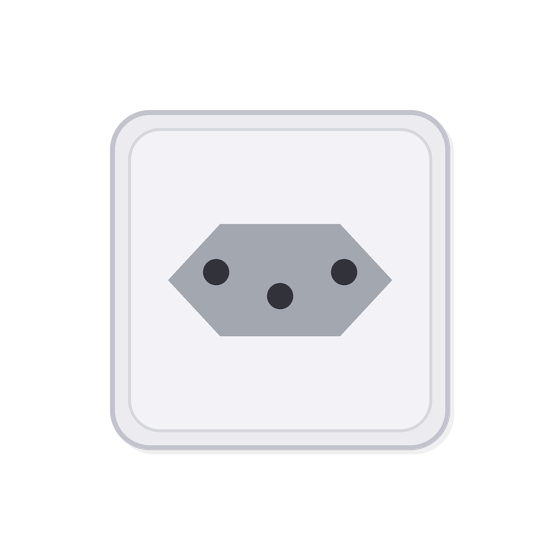
Most modern electronics (phones, laptops, cameras) handle the voltage difference automatically — check the label on your charger for “INPUT: 100-240V” to confirm.
Liechtenstein has excellent mobile coverage and Wi-Fi. The country uses Swiss mobile networks (Swisscom, Salt, Sunrise), so EU “roam like at home” regulations do not apply — check with your provider before traveling.
📱 Need mobile data? An eSIM is the easiest way to stay connected in Europe — no SIM swapping, activate before you land. Compare the best eSIM providers for Europe →
Health and Safety
Liechtenstein’s healthcare system is excellent, following Swiss standards. The Liechtensteinisches Landesspital in Vaduz handles most medical needs, with complex cases transferred to hospitals in Switzerland or Austria. EU citizens should note that Liechtenstein is in the EEA but not the EU — EHIC cards are accepted, but coverage may differ from EU countries. Non-EU visitors should carry comprehensive travel insurance.
In a medical emergency, call 144 (ambulance), 117 (police), or 118 (fire). The EU-wide 112 number also works.
Liechtenstein is extremely safe — it has one of the lowest crime rates in Europe. The main safety considerations are mountain-related: alpine hiking requires proper equipment, awareness of weather changes, and respect for trail difficulty ratings. The Fürstensteig and other exposed trails should not be attempted in wet or icy conditions.
Food and Dining Culture
Liechtenstein’s cuisine is a blend of Swiss and Austrian alpine traditions. Käsknöpfle — small pasta dumplings baked with local cheese and served with apple sauce and fried onions — is the national dish and a must-try. Ribel (a cornmeal dish served sweet or savory) is another traditional staple. Swiss-style rösti, fondue, raclette, and Wiener schnitzel are all common on restaurant menus. The country’s small size means restaurant options are limited compared to larger neighbors, but quality is generally high.
Liechtenstein is a surprisingly serious wine-producing country for its size. The Herawingert and other vineyards on the slopes above Vaduz produce Pinot Noir and other varieties in tiny quantities — most of it consumed locally and rarely exported. Tasting local wine in Vaduz is one of the more distinctive things you can do here. The Prince of Liechtenstein owns several of the vineyards.
Dining is priced similarly to Switzerland. A main course at a mid-range restaurant costs CHF 25–40. Lunch menus (Tagesmenü) offer better value — CHF 18–25 for a complete meal. Supermarkets (Migros and Coop, the Swiss chains, have small outlets) are an option for budget-conscious travelers.
Liechtenstein: Economy and Context
Liechtenstein is one of the wealthiest countries in the world per capita, with a highly industrialized economy that belies its tiny size. The country has more registered companies than citizens — roughly 40,000 people but over 75,000 registered business entities, driven by its role as a financial center and its favorable tax environment. Major industries include precision manufacturing (dental products, power tools, and fastening systems), financial services, and ceramics. Hilti, the global construction tools company, is headquartered here.
The principality is a constitutional monarchy, ruled by the House of Liechtenstein — one of Europe’s oldest and wealthiest noble families. The Prince retains significant political power, including the right to veto legislation. Liechtenstein is not an EU member but participates in the European Economic Area (EEA) and the Schengen Area, and uses the Swiss franc under a customs union with Switzerland.
Tourism contributes modestly to the economy. The country receives roughly 100,000 overnight visitors annually — many more pass through on day trips. Liechtenstein’s appeal is its novelty (visiting one of the world’s smallest countries), its alpine scenery, and its position as a convenient stop between Switzerland and Austria.
Frequently Asked Questions
Do I need a visa to visit Liechtenstein?
Citizens of 59 countries, including the US, UK, Canada, and Australia, can visit Liechtenstein without a visa for up to 90 days within any 180-day period. This is the Schengen 90/180-day rule, which applies across all Schengen countries combined. Use our Europe Travel Planner to find out if your nationality requires a visa.
Will I need ETIAS to visit Liechtenstein in 2026?
ETIAS is expected to launch in late 2026, likely October or November. Once operational, visa-exempt visitors will need to apply online before traveling. The EU will confirm the exact date at least six months in advance. Until ETIAS launches, you only need your valid passport. See our ETIAS guide for the latest timeline.
What is the best time to visit Liechtenstein?
May through October is ideal for hiking and general sightseeing, with the best alpine conditions in July and August. The Fürstensteig trail is typically accessible from June through October. December through March is ski season in Malbun. Spring and autumn offer pleasant weather in the valley with fewer visitors. Liechtenstein is a year-round destination, though some mountain facilities close in the off-season (April–May and November).
Do people speak English in Liechtenstein?
Yes — English is widely understood, especially in Vaduz and tourist-facing businesses. The official language is German, and the local dialect is Alemannic German. You won’t have communication difficulties as an English-speaking visitor.
How much does a trip to Liechtenstein cost?
Liechtenstein’s costs are comparable to Switzerland — expensive by European standards. Mid-range travel costs CHF 150–250 per day. Budget travelers can manage CHF 80–120 per day by staying in budget accommodation and eating at supermarkets. Day-tripping from cheaper bases in Feldkirch (Austria) or eastern Switzerland helps manage costs.
Is Liechtenstein worth visiting?
If you’re already in eastern Switzerland or western Austria, absolutely. Vaduz and Malbun can fill a rewarding day, and the hiking is excellent. It’s also a novelty worth experiencing — visiting one of the world’s six doubly landlocked countries, getting the famous passport stamp, and tasting wine from the Prince’s vineyard. It’s not a two-week destination, but as a day trip or overnight stop, it’s well worth it.
Can I get a passport stamp in Liechtenstein?
Yes — the Liechtenstein tourist office in Vaduz (Städtle 39) sells a commemorative passport stamp for CHF 3. It’s one of the country’s most popular souvenirs. This is a tourist stamp, not an official immigration stamp, but it’s a fun keepsake.
How do I get to Liechtenstein from Zurich?
Take a train from Zurich HB to Sargans (approximately 1 hour, frequent departures), then catch LIEmobil bus 12E to Vaduz (20 minutes). The whole journey takes about 1.5–2 hours. Alternatively, you can drive — it’s about 1.5 hours via the A3/A13 motorway.
🌍 Plan Your Trip to Liechtenstein
Entry requirements, visa status, and a full travel briefing — personalized for your nationality.
Use the Europe Travel Planner →📚 Related Articles
- Schengen 90/180-Day Rule — How the visa-free stay limit works across Europe
- ETIAS: Europe’s New Travel Authorization — What you’ll need starting late 2026
- Entry/Exit System (EES) — How the new biometric borders work
- International Driving Permit in Europe — Country-by-country IDP requirements
- Best Travel Insurance for Europe — Protect your trip
- Travel to Switzerland: Complete Guide
- Travel to Austria: Complete Guide
- Europe’s Smallest Countries and Microstates — Dan Flying Solo’s guide to visiting Europe’s micro-nations
- All Europe Country Guides
This article is for informational purposes only and does not constitute legal or travel advice. Entry requirements can change — always verify with official government sources before traveling. Last updated: February 2026.