
Last Updated: February 2026
Cyprus is a Mediterranean island where ancient Greek temples stand a short drive from Crusader castles, where you can ski in the morning and swim in the afternoon, and where a line of demarcation still divides a capital city between two nations. It’s the EU’s easternmost member — closer to Beirut than to Brussels — and that geographic position gives it a cultural richness that blends Greek, Turkish, British, and Middle Eastern influences in a way no other European island can match. What many travelers don’t realize is that despite being an EU member, Cyprus is not part of the Schengen Area, which means it has its own entry rules and your time here doesn’t count toward your Schengen 90 days. Here’s everything you need to know to plan your trip to Cyprus in 2026.
🇨🇾 Cyprus at a Glance
| Official Name | Republic of Cyprus (Κυπριακή Δημοκρατία) |
| Capital | Nicosia (Lefkosia) |
| Population | ~1.3 million (2026) |
| Currency | Euro (€) |
| Language | Greek · Turkish (in the north) · English widely spoken |
| Time Zone | EET (UTC+2) · EEST in summer (UTC+3) |
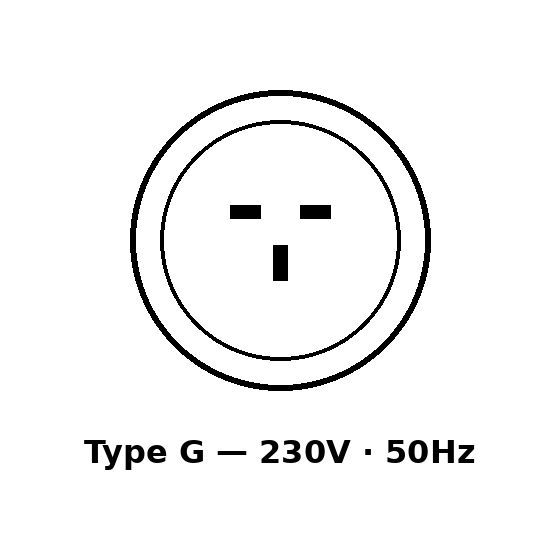
| Plug Type | Type G · 230V / 50Hz |
| Driving Side | Left |
| International Driving Permit (IDP) | Recommended but not required for short stays — see IDP guide |
| Schengen Member | No — Cyprus is an EU member but is not part of the Schengen Area. It has its own immigration system. Time spent in Cyprus does not count toward your Schengen 90 days. Cyprus is expected to be covered by ETIAS when it launches. |
| Emergency Number | 112 · 199 (police) · 198 (fire) · 199 (ambulance) |
Entry Requirements for Cyprus
Cyprus is a member of the European Union but is not part of the Schengen Area — one of only two EU countries (along with Ireland) that are not in Schengen. This means Cyprus has its own immigration rules, separate from the Schengen system that governs most of continental Europe. However, unlike Ireland, Cyprus is expected to be covered by ETIAS when it launches, as it has committed to joining the system.
🇺🇸 US Citizens: Visa-Free for 90 Days
US citizens can visit Cyprus without a visa for tourism or business stays of up to 90 days within a 180-day period. No pre-travel authorization, no online application, no fee — just arrive with a valid passport. Your passport must be valid for at least three months beyond your planned departure date.
At immigration, your passport will be stamped. Entry is generally quick and straightforward — Cyprus is accustomed to receiving large numbers of tourists. You may be asked for proof of accommodation and sufficient funds, though this is uncommon for US passport holders.
⚠️ Cyprus is EU but not Schengen. A Schengen visa does not automatically grant entry to Cyprus, though Cyprus generally accepts valid Schengen visas for short stays. Cyprus is expected to participate in ETIAS when it launches in late 2026 — this would mean visa-exempt travelers will need ETIAS authorization to visit Cyprus, unlike Ireland which has opted out entirely.
EU/EEA Citizens
EU and EEA citizens have the right to enter, live, and work in Cyprus without a visa. A valid passport or national ID card is sufficient for entry. As an EU member, Cyprus participates in EU free movement — EU citizens can stay indefinitely.
Other Nationalities
Citizens of many countries — including Canada, Australia, New Zealand, Japan, the UK, and others — can visit Cyprus without a visa for up to 90 days. Some nationalities require a visa. Cyprus generally accepts valid Schengen visas for short stays, which is unusual for a non-Schengen country. Use our Europe Travel Planner to check your specific requirements.
The Division of Cyprus
Any guide to Cyprus must address the island’s division. Since 1974, Cyprus has been split between the internationally recognized Republic of Cyprus (the southern two-thirds, Greek Cypriot) and the self-declared Turkish Republic of Northern Cyprus (the northern third, Turkish Cypriot), which is recognized only by Turkey. The two sides are separated by a UN-patrolled Buffer Zone (the “Green Line”) that runs through the center of Nicosia — the world’s last divided capital.
Travelers can cross between the two sides freely at several crossing points. You’ll need your passport. Crossing is straightforward and takes just a few minutes. When this guide refers to “Cyprus,” it primarily means the Republic of Cyprus (the south), as this is where most international travelers enter and spend their time. Northern Cyprus is covered separately where relevant.
Combining with Schengen Travel
Cyprus’s non-Schengen status means your time here is separate from your Schengen allowance — but the ETIAS situation adds a wrinkle that makes Cyprus unique among non-Schengen countries.
Your Schengen Clock Stops in Cyprus
Time spent in Cyprus does not count toward your Schengen 90-day limit. If you’ve spent 60 days in Schengen countries and then fly to Cyprus for two weeks, those two weeks don’t count. When you return to a Schengen country, you’ll still have 30 Schengen days remaining.
✅ Planning a long Europe trip? Use our Schengen Calculator to track your 90/180-day count. Cyprus, the UK, Ireland, Turkey, and the Balkans are all non-Schengen stops that let you extend your total time in Europe beyond 90 days.
ETIAS and Cyprus
Unlike Ireland (which has opted out of ETIAS entirely), Cyprus is expected to participate in the ETIAS system when it launches. This means that once ETIAS is live (expected late 2026), visa-exempt travelers will need ETIAS authorization to visit Cyprus — the same authorization required for Schengen countries. However, time in Cyprus still won’t count toward your Schengen 90 days. You’ll need ETIAS, but Cyprus remains on its own immigration clock.
Separate Documents for Each
If your trip includes both Cyprus and Schengen countries, you’ll likely need the same ETIAS for both once the system launches. Until then, visa-exempt travelers need only their passport for both. Visa-required travelers should note that Cyprus generally accepts valid Schengen visas — check with the Cypriot embassy for your specific nationality.
Getting to Cyprus
Cyprus is an island in the eastern Mediterranean, so you’re getting there by air or by sea.
By Air
Larnaca International Airport (LCA) is the main gateway, handling the majority of international flights. Direct flights connect Larnaca with most major European cities, the Middle East, and North Africa. There are no direct flights from North America — the most common routings connect through London, Athens, Frankfurt, or Istanbul.
Paphos International Airport (PFO) handles primarily European charter and low-cost flights, especially from the UK, Germany, and Scandinavia. It’s the more convenient airport for western Cyprus and the Paphos resort area.
Budget carriers including Wizz Air, Ryanair, and easyJet serve both airports. Cyprus Airways (relaunched) and Aegean Airlines offer connections through Athens.
By Sea
There are currently no regular passenger ferry services between Cyprus and other countries, though seasonal cruise ships and occasional services to Greece and Israel have operated in recent years. Check current schedules before planning a sea route. Most visitors arrive by air.
Getting Around Cyprus
Cyprus is a relatively compact island — about 240 km from end to end — but public transport is limited outside the main cities. A rental car is strongly recommended for exploring beyond the resort areas.
Driving (The Best Way to See Cyprus)
A rental car is by far the best way to explore Cyprus. The island’s most interesting sites — remote mountain villages, Akamas Peninsula, the Karpaz Peninsula in the north, ancient ruins — are poorly served or unreachable by public transport.
Cyprus drives on the left (a legacy of British rule), the same as the UK and Ireland. If you’ve driven in the UK or Ireland, you’ll feel at home. Roads are generally in good condition, particularly the motorway network connecting Nicosia, Larnaca, Limassol, and Paphos. Mountain roads in the Troodos range are winding but well-maintained. Speed limits are 100 km/h on motorways, 80 km/h on open roads, and 50 km/h in towns.
A valid US license is accepted for short stays. An International Driving Permit (IDP) is recommended but not legally required for tourists — however, having one avoids potential issues with rental companies and police. See our IDP guide. Rental costs start from approximately €25–40 per day. Fuel costs approximately €1.40–1.60 per liter.
⚠️ Driving in Northern Cyprus. If you drive a rental car across the Green Line into Northern Cyprus, check your rental agreement first — not all companies allow it, and your insurance may not be valid in the north. You can purchase separate insurance at the crossing point. Northern Cyprus uses Turkish Lira, not euros.
Buses
Intercity buses connect the main cities — Nicosia, Larnaca, Limassol, Paphos, and Ayia Napa. Services are operated by various companies and are affordable (€4–7 for intercity routes). The Nicosia–Limassol and Larnaca–Limassol routes are the most frequent. Urban buses exist in each major city. However, services are infrequent by European standards, don’t run late, and don’t cover rural areas or mountain villages. Buses don’t operate on Sundays on many routes.
| Route | Typical Duration | Approximate Fare |
|---|---|---|
| Larnaca to Nicosia | 45 min–1 hr | €4–7 |
| Larnaca to Limassol | 1 hr | €4–7 |
| Limassol to Paphos | 1 hr 15 min | €4–7 |
| Nicosia to Limassol | 1 hr 15 min | €4–7 |
| Larnaca to Ayia Napa | 45 min | €4–7 |
Taxis
Taxis are available in all cities and towns. Fares are metered and reasonable — a Larnaca Airport to Nicosia taxi costs approximately €50–60. Shared taxis (“service taxis” or travel taxis) operate between main cities at lower prices but must be booked in advance. Ride-hailing apps have limited presence — Bolt operates in some areas.
Where to Go in Cyprus
Cyprus combines stunning beaches, ancient history, mountain villages, and a divided capital in a remarkably compact area. You can see a lot in a week.
🏛️ Paphos
Paphos is where mythology meets archaeology. The town is built around one of the most important archaeological sites in the eastern Mediterranean — the Paphos Archaeological Park (UNESCO World Heritage Site), containing stunning Roman-era floor mosaics in the Houses of Dionysos, Theseus, and Aion. Nearby, the Tombs of the Kings are carved from solid rock and date to the 4th century BC. The harbor area is lively and touristy, while Kato Paphos has the main archaeological sites. Just east of town, Petra tou Romiou (Aphrodite’s Rock) is the legendary birthplace of the Greek goddess of love — a dramatic coastal rock formation that’s one of the island’s most photographed spots.
🏖️ Ayia Napa and Protaras
The southeastern coast is Cyprus’s beach playground. Ayia Napa is famous for its nightlife and Nissi Beach (one of the Mediterranean’s most beautiful stretches of white sand and turquoise water). Protaras, just to the north, is quieter and family-oriented with equally impressive beaches — Fig Tree Bay is regularly ranked among Europe’s best. The Cape Greco National Forest Park between them has sea caves, cliff jumping, and crystal-clear swimming spots. This area draws the crowds in summer but is much quieter in spring and autumn.
🏙️ Nicosia (Lefkosia)
Europe’s last divided capital is fascinating. The Venetian-walled old city is split by the UN Buffer Zone — the southern (Greek Cypriot) side has the Laiki Geitonia pedestrian quarter, the Cyprus Museum, and the elegant Ledra Street shopping area that leads directly to the Ledra Street crossing point into the north. Cross to the northern (Turkish Cypriot) side to explore the Büyük Han (a beautifully restored Ottoman caravanserai), the Selimiye Mosque (originally a Gothic cathedral), and a strikingly different atmosphere. Walking between the two sides — effectively crossing between two countries — takes minutes and provides one of Europe’s most thought-provoking experiences.
⛰️ Troodos Mountains
The Troodos range in central Cyprus rises to 1,952 meters at Mount Olympus (not to be confused with Greece’s Mount Olympus). This is a different Cyprus entirely — pine forests, cool temperatures, mountain villages, and some of the island’s most important cultural sites. The Painted Churches of the Troodos (UNESCO World Heritage Site) are ten Byzantine-era churches scattered across the mountains, their modest stone exteriors hiding extraordinary frescoed interiors from the 11th–16th centuries. The villages of Omodos, Platres, and Kakopetria offer wine tasting, hiking, and an escape from the coastal heat. In winter, Mount Olympus has a small ski resort — yes, you can ski in Cyprus.
🏰 Limassol
Cyprus’s second-largest city and main port has reinvented itself with a modern waterfront promenade, a marina district, and a growing food and wine scene. The old town retains character with its medieval castle (where Richard the Lionheart reportedly married), narrow lanes, and a Turkish Quarter. Limassol is the heart of Cyprus’s wine region — the Commandaria wine produced in the foothills of the Troodos is considered the world’s oldest named wine, in continuous production since the Crusades. The Kourion archaeological site, a short drive west, has a spectacular Greco-Roman amphitheater overlooking the sea.
🌿 Akamas Peninsula
The wild, undeveloped Akamas Peninsula in the northwest is Cyprus at its most rugged — a national park with hiking trails, the famous Baths of Aphrodite, the Blue Lagoon (reachable by boat or 4×4), and Lara Beach, one of the Mediterranean’s most important sea turtle nesting sites. A 4×4 or a boat trip is needed to reach the most remote spots. The Avakas Gorge, nearby, offers a dramatic short hike through a narrow limestone canyon.
How Much Does Cyprus Cost?
Cyprus is more expensive than the Western Balkans or Turkey but more affordable than many Western European Mediterranean destinations. Prices are in euros, which makes budgeting straightforward for visitors coming from Schengen countries.
| Expense | Budget | Mid-Range | Comfortable |
|---|---|---|---|
| Accommodation (per night) | €25–50 (hostel/guesthouse) | €70–140 (hotel/apartment) | €160–350+ (resort/boutique) |
| Meals (per day) | €15–25 | €30–55 | €60–120+ |
| Transport (per day) | €5–10 (buses) | €25–45 (rental car + fuel) | €50–80+ |
| Activities (per day) | €0–10 | €10–30 | €30–80+ |
Daily budget estimates: Budget travelers can manage on €50–85 per day. Mid-range travelers should expect €120–220 per day. Ayia Napa and Paphos in peak summer are the most expensive areas. The Troodos Mountains and smaller towns offer better value. Northern Cyprus is significantly cheaper — prices in Turkish Lira are roughly 30–40% lower than the south.
Tipping: A 10% service charge is sometimes included at restaurants — check the bill. If not included, 10% is appreciated for good service. Tipping taxi drivers is not expected but rounding up is common.
Practical Information
Money
The Republic of Cyprus uses the euro (€). ATMs are widely available, and credit/debit cards are accepted at most hotels, restaurants, and shops. Cash is useful for smaller establishments and rural areas. Northern Cyprus uses the Turkish Lira (TRY) — euros are sometimes accepted in tourist areas in the north, but at poor rates. If crossing to the north, withdraw Lira from ATMs there. The exchange rate fluctuates significantly.
Power and Connectivity
Cyprus uses Type G power plugs at 230V/50Hz — the same three-pin rectangular plug as the United Kingdom and Ireland. This is different from both the US (Type A/B) and continental Europe (Type C/E/F). If you’re traveling between Cyprus and Schengen countries, you’ll need two different adapters.
Mobile coverage is excellent across the island. Major operators in the south are Cyta, Epic, and PrimeTel. In Northern Cyprus, Telsim and Turkcell provide coverage. As an EU member, EU roaming regulations apply in the Republic of Cyprus — if you have an EU SIM card, it works at domestic rates. EU roaming does not apply in Northern Cyprus. Prepaid SIM cards and eSIMs are available at airports and phone shops. Wi-Fi is widely available in accommodations, cafés, and restaurants.
📱 Need mobile data? An eSIM is the easiest way to stay connected in Europe — no SIM swapping, activate before you land. Compare the best eSIM providers for Europe →
Health and Safety
Cyprus has a good healthcare system. The European Health Insurance Card (EHIC) or Global Health Insurance Card (GHIC) provides EU citizens with access to state healthcare. Non-EU visitors should carry comprehensive travel insurance. Pharmacies are available in all towns.
In an emergency, call 112 (universal) or 199 (police/ambulance).
Cyprus is very safe for tourists — one of the safest countries in Europe by crime statistics. Petty theft is uncommon. The main safety considerations are sun exposure (UV is intense, especially June–September), strong sea currents at some beaches, and the political situation in the Buffer Zone (stay on marked crossing points — don’t enter the UN-controlled zone).
Language
Greek is the official language of the Republic of Cyprus (the Cypriot dialect differs from standard Greek but is mutually intelligible). Turkish is spoken in Northern Cyprus. English is extremely widely spoken throughout the island — Cyprus was a British colony until 1960, and English remains a de facto second language. You’ll have no communication issues as an English speaker anywhere on the island. Road signs, menus, and public information are typically bilingual (Greek/English in the south, Turkish/English in the north).
Food and Dining Culture
Cypriot cuisine is one of the island’s great pleasures — a Mediterranean diet enriched by Greek, Turkish, Middle Eastern, and British influences. The essential Cypriot dining experience is the meze — a procession of 15–30 small dishes served over a couple of hours, including dips (hummus, tahini, tzatziki, taramosalata), grilled halloumi, olives, salads, grilled meats, fish, and more. It’s meant for sharing and lingering.
Halloumi is Cyprus’s most famous food export — a semi-hard cheese that’s grilled, fried, or eaten fresh. It has Protected Designation of Origin status and the Cypriot version is noticeably better than export versions. Other essentials: souvlaki (grilled meat skewers, often served in pita), sheftalia (grilled sausages wrapped in caul fat), kleftiko (slow-baked lamb), moussaka, and loukoumades (fried dough balls with honey). Cypriot coffee is strong and served in small cups with the grounds — specify “sketo” (no sugar), “metrio” (medium), or “glykó” (sweet).
Dining is relaxed and social. Portions are generous. Restaurants often bring complimentary fruit or dessert after the meal. Cypriot wines are underrated — Commandaria, the ancient sweet wine, is a must-try. Local beers (KEO, Leon) are refreshing in the heat. Brandy sour is the unofficial national cocktail.
Weather
Cyprus has a Mediterranean climate with hot, dry summers and mild, wet winters. Coastal temperatures reach 30–40°C in July and August, with almost zero rain from June through September. Winters are mild on the coast (10–17°C) with occasional rain. The Troodos Mountains are significantly cooler year-round and receive snow in winter.
The best time to visit is April–June and September–October — warm enough for swimming, without the extreme heat and peak-season crowds of July and August. Spring wildflowers are spectacular. Winter (November–March) is quiet and inexpensive, with pleasant temperatures for sightseeing but too cool for most beach activity.
Cyprus: Economy and Context
Cyprus has a services-based economy with tourism, financial services, and shipping as the main pillars. Tourism accounts for roughly 15% of GDP and is the island’s largest employer — the sector draws approximately 4 million visitors annually, with the UK, Russia (significantly reduced since 2022), Germany, Israel, and Scandinavia as the main source markets.
The island’s division remains the dominant political issue. The Republic of Cyprus (internationally recognized, EU member) controls the southern two-thirds. The Turkish Republic of Northern Cyprus (recognized only by Turkey) administers the northern third. Reunification talks have stalled repeatedly. The division affects daily life less than you might expect — Cypriots cross the line regularly, and tourists move freely between both sides. But the abandoned buildings in the Nicosia Buffer Zone and the ghost town of Varosha (partially reopened by Turkey since 2020, controversially) are visible reminders of the unresolved conflict.
Cyprus’s EU membership and eurozone participation make it feel familiar to travelers coming from Schengen countries. The British colonial legacy means English is universal, driving is on the left, and many cultural touchstones (from plug types to legal systems) feel more British than continental European.
Frequently Asked Questions
Do Americans need a visa for Cyprus?
No. US citizens can visit Cyprus without a visa for up to 90 days within a 180-day period. No advance application or fee is required — just a valid passport with at least three months’ validity beyond your departure date.
Is Cyprus in the Schengen Area?
No. Cyprus is an EU member but not part of the Schengen Area. It has its own immigration system, though it generally accepts valid Schengen visas for short stays. Cyprus is expected to participate in ETIAS when it launches.
Does time in Cyprus count toward my Schengen 90 days?
No. Time spent in Cyprus does not count toward your Schengen 90/180-day limit. Use our Schengen Calculator to track your days.
Can I visit Northern Cyprus?
Yes. Tourists can cross freely between the Republic of Cyprus and Northern Cyprus at several crossing points. You’ll need your passport. It’s recommended to enter the island via Larnaca or Paphos airports in the south, then cross overland to the north.
What is the best time to visit Cyprus?
April–June and September–October offer the best balance of warm weather, swimming temperatures, and manageable crowds. July and August are extremely hot (35–40°C) and packed. Winter is mild and quiet on the coast, with skiing possible in the Troodos Mountains.
Is Cyprus expensive?
Mid-range by European standards — more affordable than Western Mediterranean destinations but pricier than the Balkans or Turkey. Budget travelers can manage on €50–85 per day. Northern Cyprus is significantly cheaper than the south.
Do I need a different plug adapter for Cyprus than for continental Europe?
Yes. Cyprus uses Type G plugs (the same as the UK and Ireland) — a three-pin rectangular plug different from continental Europe’s Type C/E/F. If visiting both Cyprus and Schengen countries, you’ll need two adapters or a universal one.
Do I need a car in Cyprus?
For the cities and main resort areas, you can manage with buses and taxis. For exploring the Troodos Mountains, Akamas Peninsula, rural villages, and the best beaches, a rental car is strongly recommended. Cyprus drives on the left.
🌍 Plan Your Trip to Cyprus
Entry requirements, visa status, and a full travel briefing — personalized for your nationality.
Use the Europe Travel Planner →📚 Related Articles
- Schengen 90/180-Day Rule — How the visa-free stay limit works (Cyprus time doesn’t count)
- Non-Schengen Countries in Europe — Where your 90 days don’t count
- How to Split Time Between Schengen and Non-Schengen Countries
- ETIAS: Europe’s New Travel Authorization — Expected to apply to Cyprus
- International Driving Permit in Europe
- Best Travel Insurance for Europe
- Travel to Turkey — Nearby non-Schengen destination
- Travel to Ireland — The other EU country not in Schengen
- All Europe Country Guides
This article is for informational purposes only and does not constitute legal or travel advice. Entry requirements can change — always verify with official government sources before traveling. Last updated: February 2026.