
Home › Country Guides › Travel to Moldova
Last Updated: August 2026
Moldova is Europe’s least-visited country — and that’s exactly why you should go. Tucked between Romania and Ukraine, this small, landlocked nation is home to some of the world’s largest underground wine cellars, a breakaway Soviet-era statelet that feels like stepping through a time warp, rolling countryside dotted with monasteries, and a capital city that’s slowly transforming from post-Soviet grey to genuinely interesting. It’s raw, authentic, and almost entirely free of other tourists. Moldova is not part of the Schengen Area, though it is an EU candidate country — which means it has its own entry rules and your time here doesn’t count toward your Schengen 90 days. Here’s everything you need to know to plan your trip to Moldova in 2026.
🇲🇩 Moldova at a Glance
| Official Name | Republic of Moldova (Republica Moldova) |
| Capital | Chișinău |
| Population | ~2.5 million (2026) |
| Currency | Moldovan Leu (MDL) |
| Language | Romanian (official) · Russian widely spoken |
| Time Zone | EET (UTC+2) · EEST in summer (UTC+3) |
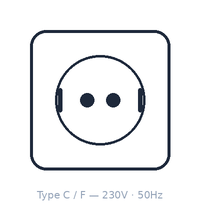
| Plug Type | Type C & F · 230V / 50Hz |
| Driving Side | Right |
| International Driving Permit (IDP) | Required for non-EU license holders — see IDP guide |
| Schengen Member | No — Moldova is not an EU or Schengen member (EU candidate country since 2022). It has its own immigration system. Time spent here does not count toward your Schengen 90 days. |
| Emergency Number | 112 (universal) · 902 (police) · 903 (fire) · 903 (ambulance) |
Entry Requirements for Moldova
Moldova is not a member of the European Union or the Schengen Area, though it was granted EU candidate status in 2022 and accession negotiations are underway. This means Moldova has its own immigration rules, entirely separate from both the Schengen system and EU free movement.
🇺🇸 US Citizens: Visa-Free for 90 Days
US citizens can visit Moldova without a visa for up to 90 days within any 180-day period. No pre-travel authorization, no online application, no fee — just arrive with a valid passport. Your passport must be valid for at least six months beyond your planned departure date.
At the border, you’ll receive an entry stamp. Immigration is generally straightforward. You may be asked for proof of accommodation and travel insurance — Moldova technically requires visitors to have medical insurance, though enforcement is inconsistent.
⚠️ Moldova is not Schengen and not EU. A Schengen visa does not allow entry to Moldova. ETIAS will not apply here. Moldova has its own visa policy entirely separate from the EU system.
EU/EEA Citizens
EU and EEA citizens can enter Moldova without a visa for up to 90 days within a 180-day period using a valid passport or national ID card. There is no automatic right to live or work — that requires separate permits.
Other Nationalities
Citizens of many countries — including Canada, Australia, New Zealand, Japan, the UK, and others — can visit Moldova visa-free for up to 90 days. Some nationalities require a visa or can obtain an e-visa online before traveling. Use our Europe Travel Planner to check your specific requirements.
🛂 Need help with a visa for Moldova?
Most nationalities are visa-free — but if yours isn’t, iVisa handles Moldovan visa and e-visa applications end to end.
Start your application on iVisa →Affiliate partner — we may earn a commission at no extra cost to you.
Transnistria
Moldova has a unique geopolitical curiosity: Transnistria (officially the Pridnestrovian Moldavian Republic), a narrow strip of land along the Ukrainian border that broke away from Moldova in 1990 and has operated as a de facto independent state ever since — complete with its own government, military, currency, and Soviet-era aesthetic. No UN member state recognizes Transnistria’s independence, including Russia, despite the presence of Russian troops stationed there.
Tourists can visit Transnistria. At the boundary (it’s not an internationally recognized border), you’ll be given a registration slip valid for a set period (usually 10 hours for a day visit; longer stays require registration in Tiraspol). Bring your passport. The process is straightforward but can feel slightly intimidating — it’s essentially a Soviet-style border checkpoint. Tiraspol, the capital, is the main attraction: hammer-and-sickle monuments, a Lenin statue in front of the parliament, Soviet-era architecture, and the Sheriff complex (a sprawling business empire that dominates the territory’s economy). It’s a genuinely surreal experience.
Combining with Schengen Travel
Moldova’s non-Schengen status means your time here doesn’t count toward your Schengen allowance, and it’s an easy add-on to a Romania trip.
Your Schengen Clock Stops in Moldova
Time spent in Moldova does not count toward your Schengen 90-day limit. If you’ve been traveling in Schengen countries and cross into Moldova, your Schengen clock pauses. When you re-enter a Schengen country, it resumes where it left off.
✅ Planning a long Europe trip? Use our Schengen Calculator to track your 90/180-day count. Moldova and other non-Schengen countries let you extend your total time in Europe beyond 90 days.
Separate Documents for Each
Moldovan visa-free entry does not grant access to Schengen countries, and a Schengen visa does not cover Moldova. If your trip includes both, you need separate documentation for each leg. ETIAS will not apply to Moldova (2027 is now the most likely ETIAS launch year after the EU removed the Q4 2026 target in July 2026) — but you will need ETIAS to return to Schengen from Moldova.
The Romania Connection
Moldova shares a long border with Romania (a Schengen member). Crossing into Romania means re-entering the Schengen Area — your 90-day clock resumes. Many travelers combine Moldova with Romania, since the two countries share the Romanian language and cultural connections. Chișinău to Iași (Romania) is about 4 hours by bus. Moldova also borders Ukraine to the north and east.
Getting to Moldova
Moldova is accessible by air, bus, and train — though as one of Europe’s smallest and least-visited countries, international connections are more limited than in neighboring Romania.
By Air
Chișinău International Airport (KIV) is Moldova’s only international airport, located about 15 km south of the capital. Direct flights connect Chișinău with cities including Istanbul, Vienna, Bucharest, London (Luton and Stansted), Milan, Rome, Frankfurt, Tel Aviv, and others. Wizz Air, FlyOne, Turkish Airlines, and Austrian Airlines are among the carriers serving the airport. There are no direct flights from North America — the most common routings connect through Istanbul, Vienna, or Bucharest.
By Bus
International buses connect Moldova with Romania, Ukraine, and other European destinations. The most popular route is Chișinău to Bucharest (7–8 hours) via Iași (4 hours). Flixbus and regional operators serve these corridors. Buses to Kyiv and Odesa also operate, though services to Ukraine are subject to change given the ongoing conflict — check current conditions.
By Train
International train services connect Chișinău with Bucharest (approximately 12–13 hours, overnight) and Iași (6–7 hours). Train travel is slow but scenic, particularly the route through the Moldovan countryside. Check current schedules as international rail services have been disrupted in recent years.
By Car
Driving into Moldova from Romania is straightforward. The main crossing at Sculeni (toward Iași) and Leușeni (toward Bucharest) handle the most traffic. Border waits can be significant, especially on weekends and holidays. Moldova does not require a motorway vignette (there are no motorways). The Ukraine border crossings are operational but subject to the current conflict situation — check conditions before traveling.
Getting Around Moldova
Moldova is one of Europe’s smallest countries — Chișinău to any destination is under 3–4 hours. Getting around is manageable but infrastructure is basic.
Driving
A rental car provides the most flexibility for reaching wineries, monasteries, and rural areas. Road quality varies significantly — main roads between cities are acceptable, but secondary roads can be poor, with potholes and unpaved sections. Moldova drives on the right. Speed limits are 50 km/h in towns, 90 km/h on open roads. Headlights must be on at all times. The blood alcohol limit is 0.00% — absolute zero tolerance. An International Driving Permit (IDP) is required. See our IDP guide. Fuel costs approximately 22–26 MDL per liter.
⚠️ Road conditions. Moldova’s roads are among the worst in Europe outside of cities. Potholes, poorly marked lanes, aggressive local driving habits, and animals on rural roads are all common. Drive cautiously, especially at night.
Buses and Minibuses
Buses and minibuses (rutiere/maxi-taxis) are the main form of public transport. Minibuses connect Chișinău with all major towns and depart from the central bus station (Autogara Centrală) and the northern bus station. Services are frequent on main routes and very cheap.
| Route | Typical Duration | Approximate Fare |
|---|---|---|
| Chișinău to Orheiul Vechi | 1 hr 30 min | 30–40 MDL |
| Chișinău to Tiraspol (Transnistria) | 1 hr 30 min | 35–50 MDL |
| Chișinău to Soroca | 3 hrs | 80–100 MDL |
| Chișinău to Comrat (Gagauzia) | 2 hrs | 50–70 MDL |
| Chișinău to Cricova Winery | 30 min | 10–20 MDL |
Trains
Moldova’s rail network exists but is slow, outdated, and limited. Domestic trains connect Chișinău with a few destinations but buses are faster and more practical for all domestic travel.
Taxis
Taxis in Chișinău are cheap. Short rides cost 30–50 MDL. Use apps like yandex.taxi, inDriver, or Taxi Moldova for fair pricing — avoid unmarked taxis at the airport and train station.
Where to Go in Moldova
Moldova isn’t a long-list destination — most people spend 3–5 days here. But what it offers is genuinely unique: world-class wine, a Soviet time capsule, and countryside that few outsiders ever see.
🏙️ Chișinău
Moldova’s capital is a city of contrasts — Soviet-era apartment blocks alongside leafy parks, Orthodox cathedrals, and a growing café culture. It won’t win any beauty contests, but it has character. The city center is walkable and anchored by Ștefan cel Mare Boulevard (named after Moldova’s medieval hero), the Cathedral Park, and the National Museum of History. The vast Central Market (Piața Centrală) is one of the largest open-air markets in Eastern Europe — an overwhelming, fascinating sprawl of produce, clothing, electronics, and everything else. The city’s wine bars and restaurants have improved dramatically in recent years, and Chișinău is developing a modest but genuine food scene.
🍷 Wine Country
Wine is Moldova’s greatest draw, and the numbers are staggering. Moldova has the highest density of vineyards per capita in the world, and wine has been made here for over 5,000 years.
Mileștii Mici holds the Guinness World Record for the largest wine collection — over 2 million bottles stored in 200 km of underground tunnels carved from limestone. You drive through the cellars in a car. Tours and tastings must be booked in advance.
Cricova is Moldova’s most famous winery — another vast underground city of wine cellars stretching 120 km, where foreign leaders (including Putin) have stored private collections. The tour includes a drive through the tunnels and a tasting. It’s about 15 km from Chișinău.
Château Purcari, in southeastern Moldova near the Ukrainian border, produces some of the country’s finest wines — the Negru de Purcari red blend has won international awards. Purcari offers tastings and has a guesthouse for overnight stays among the vineyards.
Smaller boutique wineries are emerging throughout the country — particularly in the Codru (central) and Valul lui Traian (southern) wine regions. Moldova produces excellent reds (Fetească Neagră, Rară Neagră) and whites (Fetească Albă, Viorica) from indigenous grape varieties you won’t find anywhere else.
🏛️ Orheiul Vechi (Old Orhei)
Moldova’s most spectacular natural and cultural site is about 60 km north of Chișinău. A dramatic limestone gorge carved by the Răut River contains a cave monastery dating to the 13th century, ruins from Tatar and Moldavian civilizations, and a landscape of rolling hills and eroded cliffs that feels more like Central Asia than Europe. The monastery is still active — monks live and pray in caves carved from the cliffsides. It’s Moldova’s top tourist destination and its most likely future UNESCO World Heritage Site. You can visit as a day trip from Chișinău.
🏰 Soroca
Soroca, on the Dniester River in northern Moldova, is known for two things: a small but striking 15th-century fortress built by Ștefan cel Mare (one of the best-preserved medieval fortifications in the country), and the nearby “hill of the Roma,” where wealthy Roma families have built extravagant mansions in a dizzying array of architectural styles — replicas of the White House, St. Peter’s Basilica, and other landmarks. It’s one of Moldova’s most surreal sights. The Candle of Gratitude monument on the hilltop offers panoramic views of the Dniester and Ukraine across the river.
🔴 Tiraspol and Transnistria
A day trip to Transnistria is one of the most unique experiences in European travel. Tiraspol, the capital, is a Soviet time capsule — Lenin statues, communist iconography, a hammer-and-sickle on the parliament, Soviet-era monuments, and an atmosphere that feels genuinely disconnected from the 21st century. It’s safe, fascinating, and deeply surreal. The Kvint cognac factory offers tours and tastings. See the Transnistria section above for entry requirements and currency information. Most visitors do Transnistria as a day trip from Chișinău (1.5 hours each way by bus or marshrutka).
🏘️ Gagauzia
Another autonomous region within Moldova, Gagauzia is home to the Gagauz people — a Turkic, Orthodox Christian community with their own language and culture. The capital Comrat is small and quiet, but the cultural uniqueness is interesting. Gagauz wine and cuisine blend Turkish and Moldovan traditions. It’s off the beaten path even by Moldovan standards.
How Much Does Moldova Cost?
Moldova is the cheapest country in Europe. Your money goes further here than literally anywhere else on the continent.
| Expense | Budget | Mid-Range | Comfortable |
|---|---|---|---|
| Accommodation (per night) | 200–500 MDL (hostel/guesthouse) | 800–1,500 MDL (hotel/apartment) | 1,800–3,500+ MDL (boutique hotel) |
| Meals (per day) | 100–250 MDL | 300–600 MDL | 700–1,500+ MDL |
| Transport (per day) | 30–80 MDL (buses) | 400–700 MDL (rental car + fuel) | 700–1,200 MDL |
| Activities (per day) | 0–100 MDL | 150–500 MDL (winery tours) | 500–1,500+ MDL |
Daily budget estimates: Budget travelers can manage on 500–1,000 MDL (€25–50) per day. Mid-range travelers should expect 1,200–2,500 MDL (€60–130) per day, including winery visits. A restaurant meal with wine costs 200–400 MDL (€10–20) at a good restaurant in Chișinău. A bottle of excellent Moldovan wine at a shop costs 80–200 MDL (€4–10).
Currency note: The Moldovan Leu (MDL) is the official currency. The exchange rate is approximately 19–20 MDL to 1 EUR. ATMs are available in Chișinău and larger towns. Credit cards are accepted at hotels and nicer restaurants in the capital, but Moldova is heavily cash-based — carry cash outside Chișinău. Euros and US dollars can be exchanged at banks and exchange offices.
Tipping: Tipping is not widely expected but is appreciated. Rounding up or leaving 10% at restaurants is generous.
Practical Information
Money
The Moldovan Leu (MDL) is the only legal tender (except in Transnistria, which uses its own currency). ATMs are available in Chișinău and larger towns. Outside the capital, ATM availability drops — withdraw cash in Chișinău before heading to rural areas. Credit cards are accepted at hotels and better restaurants in the capital, but most of the country runs on cash. Exchange offices are found in Chișinău — avoid exchanging at the airport for better rates in the city center.
Power and Connectivity
Moldova uses Type C and F power plugs at 230V/50Hz — the same as most of continental Europe. If you already have a standard European adapter, it will work here. US visitors will need a US-to-European adapter.
Mobile coverage is decent in cities and along main roads. Rural areas can have limited service. Major operators are Orange and Moldcell. Prepaid SIM cards are available at phone shops and are very cheap — bring your passport. Moldova is not in the EU, so EU roaming regulations do not apply. Wi-Fi is available in most accommodations and cafés in Chișinău but can be unreliable in rural areas.
📱 Need mobile data? An eSIM is the easiest way to stay connected in Europe — no SIM swapping, activate before you land. Compare the best eSIM providers for Europe →
Health and Safety
Healthcare in Moldova is limited compared to Western European standards. Hospitals in Chișinău can handle basic emergencies, but for serious medical issues, evacuation to Romania or Western Europe may be necessary. Non-EU visitors aren’t covered by public healthcare, and even routine private care can be uneven outside the capital. Comprehensive travel insurance for Europe with medical evacuation coverage is strongly recommended — evacuation to Bucharest or Vienna is the practical reality for anything serious.
🏥 Cover Moldova + your Schengen rotations with one policy
SafetyWing Nomad Insurance covers Moldova and every other stop on your route — emergency medical, cross-border evacuation to Romania or Vienna (essential given Moldova’s limited healthcare infrastructure), travel delay, and lost luggage in one plan. Perfect for the Romania + Moldova wine country loop or longer non-Schengen rotations. Buy it before you leave or even mid-trip. Note: standard travel insurers exclude Transnistria conflict-zone risks — this is fine for tourist day trips to Tiraspol but verify if you plan extended stays.
Get a quote from SafetyWing →Affiliate partner — we may earn a commission at no extra cost to you.
In an emergency, call 112.
Moldova is generally safe for tourists. Violent crime against visitors is rare. Petty theft and scams can occur in Chișinău — watch your belongings at the Central Market and train station. Stray dogs are common throughout the country. Avoid flashing expensive items. The Transnistria region is safe for day visits despite its unusual political status. The border area with Ukraine in the east should be approached with caution given the ongoing conflict — check current advisories.
Language
Romanian is the official language (identical to the Romanian spoken in Romania, with minor dialectal differences). Russian is widely spoken, particularly among the older generation and in Chișinău, Transnistria, and Gagauzia. English is spoken by younger, educated Moldovans in the capital, but is limited outside Chișinău. In rural areas, Romanian and Russian are your options. If you speak any Romanian, Spanish, Italian, or French, you’ll find Romanian surprisingly approachable — it’s a Romance language. Learning a few basic Romanian or Russian phrases is highly appreciated.
Food and Dining Culture
Moldovan cuisine is hearty, seasonal, and influenced by Romanian, Ukrainian, Russian, and Turkish traditions. Mămăligă (cornmeal porridge, similar to polenta) is the national staple — served with sour cream, cheese, and stews. Plăcinte are flaky pastries filled with cheese, potatoes, cabbage, or cherries and are ubiquitous at bakeries and markets. Sarmale (cabbage rolls stuffed with meat and rice) are a celebration dish. Zeama is a light chicken and noodle soup that’s comfort food at its best.
Wine accompanies everything — Moldovans are generous pourers and take enormous pride in their wine culture. Home-produced wine is still common in rural areas, and you may be invited to taste a family’s own vintage. The food scene in Chișinău has developed considerably, with restaurants offering modern Moldovan cuisine alongside traditional dishes. Outside the capital, dining options are basic but authentic — look for local cafés and canteens (cantina) for cheap, filling meals.
Weather
Moldova has a moderate continental climate. Summers are warm to hot (25–35°C in July and August) with occasional thunderstorms. Winters are cold (regularly below 0°C from December to February) with snow and grey skies. Spring (April–May) and autumn (September–October) are pleasant with mild temperatures and fewer extremes.
The best time to visit is May–June and September–October. September and October are particularly good for wine harvest season — many wineries offer special harvest events and tastings. Summer is fine but can be hot. Winter is cold and grey, though Chișinău has a quiet charm in the off-season.
Moldova: Economy and Context
Moldova is Europe’s poorest country by GDP per capita, and this is visible in its infrastructure, rural areas, and the pace of development. Independence from the Soviet Union in 1991 was followed by economic collapse, the Transnistria conflict, political instability, and massive emigration — an estimated quarter of the working-age population lives and works abroad, primarily in Russia, Italy, Romania, and other EU countries. Remittances from the diaspora are a crucial part of the economy.
Moldova was granted EU candidate status in 2022, and the country is firmly oriented toward EU integration under the current government. This aspiration is reshaping the country — infrastructure improvements, anti-corruption reforms, and increased international engagement are slowly changing the landscape. However, the process is complex, particularly given Transnistria’s Russian-influenced political orientation and the broader geopolitical tensions in the region.
Wine is the country’s most important agricultural export and its main tourism draw. Moldova produces roughly 150 million liters of wine annually, with quality improving rapidly as international investment and expertise flow in. Tourism is small but growing — visitor numbers have increased as Moldova appears on more “off the beaten path” travel lists. Infrastructure for tourism is still developing, especially outside Chișinău, but the combination of affordable prices, genuine hospitality, and truly unique experiences (underground wine cities, Transnistria, Orheiul Vechi) makes Moldova a rewarding destination for adventurous travelers.
Frequently Asked Questions
Do Americans need a visa for Moldova?
No. US citizens can visit Moldova without a visa for up to 90 days within a 180-day period. No advance application or fee is required — just a valid passport with at least six months’ validity beyond your departure date.
Is Moldova in the Schengen Area?
No. Moldova is not a member of the Schengen Area or the European Union (though it is an EU candidate country). A Schengen visa does not allow entry, and ETIAS will not apply here.
Does time in Moldova count toward my Schengen 90 days?
No. Time spent in Moldova does not count toward your Schengen 90/180-day limit. Use our Schengen Calculator to track your days.
Will I need ETIAS to visit Moldova?
No. ETIAS applies only to Schengen countries. Moldova runs its own separate immigration system. When ETIAS launches (2027 is now the most likely launch year after the EU removed the Q4 2026 target in July 2026), Moldova will be unaffected — but you will need ETIAS to return to Schengen from Chișinău.
Can I visit Transnistria?
Yes. Tourists can visit Transnistria freely. At the boundary, you’ll receive a registration slip (usually valid for 10 hours for day visits). Bring your passport. It’s a safe and fascinating experience — most visitors do it as a day trip from Chișinău. Transnistria uses its own currency (Transnistrian ruble).
What is the best time to visit Moldova?
May–June and September–October. The wine harvest in September and October is the most rewarding time to visit for wine tourism. Summers are hot, winters are cold and grey.
Do I need travel insurance for Moldova?
Not required for entry (though technically expected), but strongly recommended — Moldova’s public healthcare is limited and non-EU visitors aren’t covered. For anything serious, evacuation to Romania or Vienna is the practical reality. See our Europe travel insurance guide for policies that cover Moldova and Schengen countries in a single plan.
Is Moldova safe?
Yes. Moldova is generally safe for tourists. Violent crime against visitors is rare. Take standard precautions against petty theft in Chișinău. Transnistria is safe for day visits. Avoid the border area near Ukraine’s conflict zone.
Do I need a different plug adapter for Moldova than for other European countries?
No. Moldova uses the same Type C and F plugs as most of continental Europe at 230V/50Hz. A standard European adapter works here.
Is Moldova worth visiting?
If you’re looking for something genuinely different — absolutely. The underground wine cellars at Mileștii Mici and Cricova are unlike anything else in Europe. Orheiul Vechi is spectacular. Transnistria is a unique experience. And the near-total absence of other tourists makes it feel like authentic discovery. It’s not for luxury travelers or those who want polished infrastructure, but for curious, adventurous visitors, Moldova is deeply rewarding.
🌍 Plan Your Trip to Moldova
Entry requirements, visa status, and a full travel briefing — personalized for your nationality.
Use the Europe Travel Planner →📚 Related Articles
- Schengen 90/180-Day Rule — How the visa-free stay limit works (Moldova time doesn’t count)
- Non-Schengen Countries in Europe — Where your 90 days don’t count
- How to Split Time Between Schengen and Non-Schengen Countries
- ETIAS: Europe’s New Travel Authorization — Does not apply to Moldova
- International Driving Permit in Europe — Required for driving in Moldova
- Best Travel Insurance for Europe
- Travel to Romania — The natural Schengen gateway to Moldova
- Travel to Serbia — Another off-the-beaten-path destination
- Travel to Bosnia and Herzegovina
- All Europe Country Guides
This article is for informational purposes only and does not constitute legal or travel advice. Entry requirements can change — always verify with official government sources before traveling. Last updated: August 2026.