
Home › Country Guides › Travel to Switzerland
Last Updated: August 2026
Switzerland is a country of extremes packed into a small space — soaring Alpine peaks, glacier-fed lakes, four national languages, 26 cantons with fiercely independent identities, and a train system so precise it’s practically a national religion. It’s also one of the most expensive countries on Earth, which only seems to make people want to visit more. From Zurich’s finance-meets-culture energy to the car-free village of Zermatt at the foot of the Matterhorn, from the French-speaking lakeside elegance of Geneva and Lausanne to the Italian warmth of Ticino, Switzerland manages to feel like several countries in one — connected by immaculate trains and a shared love of fondue. Here’s everything you need to know to plan a visit in 2026.
🇨🇭 Switzerland at a Glance
| Capital | None officially (Bern is the federal city / de facto capital) |
| Population | ~9.0 million |
| Currency | Swiss franc (CHF) |
| Languages | German, French, Italian, Romansh |
| Time Zone | CET (UTC+1) · CEST in summer (UTC+2) |
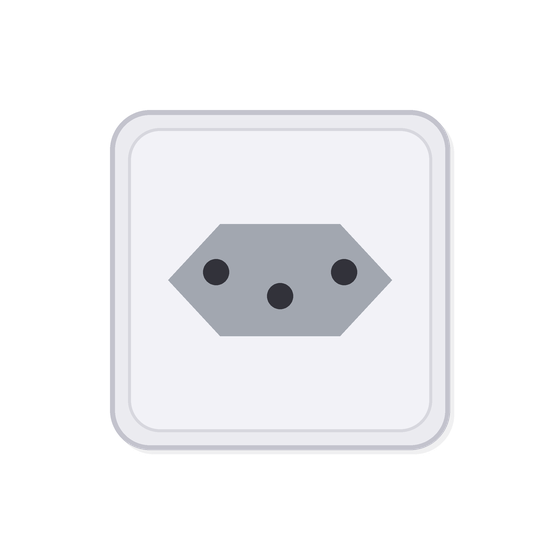
| Plug Type | Type J (Swiss three-pin) · 230V / 50Hz |
| Driving Side | Right |
| International Driving Permit (IDP) | Recommended — see IDP guide |
| Schengen Member | Yes (not in the EU) |
| Emergency Number | 112 (pan-European) · 117 (police) · 144 (ambulance) · 118 (fire) |
Entry Requirements for Switzerland
Switzerland is part of the Schengen Area — despite not being a member of the European Union. This means it follows the same entry rules as the other 28 Schengen member countries. What you need to enter Switzerland depends on your nationality.
Visa-Exempt Visitors (US, UK, Canada, Australia, and Others)
Citizens of 59 visa-exempt countries — including the United States, United Kingdom, Canada, Australia, New Zealand, Japan, and most Latin American nations — can enter Switzerland without a visa for short stays of up to 90 days within any 180-day period. This is the standard Schengen 90/180-day rule, and it applies across all 29 Schengen countries combined, not just Switzerland.
To enter Switzerland as a visa-exempt visitor, your passport must meet two requirements. It must have been issued within the last 10 years at the time of entry, and it must remain valid for at least three months after your planned departure date from the Schengen area.
Not sure what applies to your nationality? Use the Europe Travel Planner to find out exactly what you need.
Visa-Required Visitors
If your country is not on the visa-exempt list, you’ll need to apply for a Schengen short-stay visa (Type C) before traveling to Switzerland. This visa allows stays of up to 90 days within a 180-day period across the entire Schengen Area.
You’ll typically need to apply at the Swiss embassy or consulate in your home country, or through an authorized visa application center. Required documents generally include a completed application form, a passport-sized photo, proof of accommodation, travel medical insurance with minimum €30,000 coverage (see our guide to the best travel insurance for Europe for policies that meet the requirement), proof of financial means, and a round-trip flight reservation.
Processing times are usually 15 calendar days but can take up to 45 days during peak season. Apply early. For a full walkthrough, see the Schengen Visa Application Guide.
🛂 Need a Schengen visa for Switzerland?
If your nationality isn’t visa-exempt, iVisa handles your Schengen visa application end to end — forms, appointment guidance, and document review before you submit.
Start your application on iVisa →Affiliate partner — we may earn a commission at no extra cost to you.
What’s Changing at Swiss Borders
Two major systems are transforming how non-EU visitors enter Switzerland and the rest of the Schengen area. One is fully in place; the other has been pushed back.
The Entry/Exit System (EES) completed its phased rollout and has been fully operational at all Schengen border crossings since April 2026. It replaced passport stamps with digital biometric records — fingerprints and facial scans — and automatically tracks how long you’ve stayed in the Schengen Area, flagging overstays. No more counting stamps.
The European Travel Information and Authorization System (ETIAS) will require visa-exempt travelers (including Americans, Brits, Canadians, and Australians) to apply for a travel authorization online before arriving. It costs €20 (free for travelers under 18 or over 70), is valid for three years, and takes minutes to complete. The EU removed the previously confirmed Q4 2026 launch target in July 2026, and 2027 is now the most likely launch year. ETIAS will apply to entry into Switzerland even though Switzerland is not an EU member — Schengen membership is what matters.
Neither system requires advance action right now. Bookmark our ETIAS launch date tracker for the latest timeline.
Getting to Switzerland
Switzerland has three main international airports. Zurich Airport (ZRH) is the largest and the hub for Swiss International Air Lines (SWISS), with direct flights from across the world including multiple daily services from New York, Chicago, Miami, Boston, San Francisco, Los Angeles, Montreal, and dozens of European cities. Geneva Airport (GVA) is the main gateway to western Switzerland and a hub for easyJet, with strong connections to London, Paris, and the rest of Europe. EuroAirport Basel-Mulhouse-Freiburg (BSL/MLH/EAP) is a unique tri-national airport shared by Switzerland, France, and Germany, primarily serving European routes on low-cost carriers.
Zurich Airport is connected to the city center by train in just 10 minutes, with services running every few minutes. Geneva Airport has its own train station with direct connections across western Switzerland.
By train, Switzerland is exceptionally well connected. High-speed TGV Lyria trains link Paris to Geneva (3 hours 10 minutes), Basel (3 hours), and Zurich (4 hours). Eurostar services connect London to Switzerland via Paris. ICE and EC trains run from Germany and Austria — Munich to Zurich takes about 3.5 hours. The Bernina Express and other scenic trains cross from Italy. Nightjet sleeper trains from Vienna and Hamburg arrive into Zurich and Basel. FlixBus and Eurolines offer budget coach services from neighboring countries.
Getting Around Switzerland
Switzerland has arguably the best public transport system in the world. The Swiss Federal Railways (SBB/CFF/FFS — the abbreviation changes depending on which language region you’re in) runs a clockwork network of trains that covers the entire country, supplemented by PostBuses (which reach even remote mountain villages), lake steamers, and an array of mountain railways, cable cars, and funiculars. You genuinely do not need a car in Switzerland, and for most visitors, trains are faster, cheaper, and more scenic than driving.
Trains
SBB operates InterCity (IC), InterRegio (IR), and Regional (R/S) trains across the country. Zurich to Bern takes 56 minutes. Zurich to Geneva is about 2 hours 45 minutes. Zurich to Lucerne is under an hour. Bern to Interlaken is 50 minutes. Trains run frequently — typically every 30 minutes on main routes — and connections are choreographed so that transfers at junction stations like Bern, Olten, and Brig take just minutes.
Swiss trains are expensive at full price — a single Zurich-to-Geneva ticket can cost CHF 90+ — but there are ways to save. Supersaver tickets (advance purchase, non-refundable) can cut fares by 50% or more. The Half Fare Card (CHF 120 for one month) halves the price of virtually every train, bus, boat, and mountain railway ticket in the country and is worth it for stays of more than a few days.
For intensive travel, the Swiss Travel Pass (from CHF 254 for 3 days, 2nd class) offers unlimited travel on trains, buses, boats, and trams nationwide, plus free entry to 500+ museums and 50% off most mountain railways. It’s only available to non-residents. Buy through sbb.ch or the SBB Mobile app.
Panoramic Trains
Switzerland’s panoramic train routes are some of the most spectacular rail journeys in the world. The Glacier Express (Zermatt to St. Moritz, ~8 hours) crosses 291 bridges and passes through 91 tunnels through the heart of the Alps. The Bernina Express (Chur/St. Moritz to Tirano, Italy) is a UNESCO World Heritage route climbing to 2,253 meters. The GoldenPass Express (Montreux to Interlaken) links Lake Geneva to the Bernese Oberland. All require seat reservations (booked separately from the Swiss Travel Pass), but the base fare is covered by the pass.
Getting Around Comparison
| Mode | Best For | Cost Range | Notes |
|---|---|---|---|
| InterCity (IC) | City-to-city travel | CHF 25–90+ | Frequent. Supersaver tickets up to 70% off. |
| InterRegio / Regional | Shorter routes, villages | CHF 8–30 | Stops at more stations. Same ticketing system. |
| Glacier Express | Zermatt ↔ St. Moritz | CHF 153+ (2nd class) | ~8 hrs. Seat reservation required (CHF 49). |
| Bernina Express | St. Moritz ↔ Tirano | CHF 65+ (2nd class) | UNESCO route. Reservation required (CHF 16). |
| PostBus | Mountain villages, passes | CHF 5–30 | Yellow buses reaching everywhere trains don’t. |
| Lake steamers | Lake Geneva, Lucerne, etc. | CHF 15–70 | Covered by Swiss Travel Pass. Historic paddlewheel boats. |
| Mountain railways | Jungfraujoch, Gornergrat, etc. | CHF 50–200+ | 50% off with Swiss Travel Pass or Half Fare Card. |
| Rental car | Flexibility, off-route areas | CHF 60–120/day | Motorway vignette required (CHF 40/year). Mountain roads are stunning but demanding. |
Where to Go in Switzerland
Zurich
Switzerland’s largest city sits on the northern tip of Lake Zurich, a financial powerhouse that doubles as a cultural heavyweight. The Altstadt (old town) is split across both banks of the Limmat River — Niederdorf on the east side has narrow medieval lanes, while the west bank hosts the upscale Bahnhofstrasse shopping street. The Kunsthaus Zürich is one of Europe’s most important art museums (Giacometti, Monet, Munch, Chagall), and the Swiss National Museum charts the country’s history from prehistoric times. For a swim, locals jump into the Limmat or swim in the lake at the public Badis (lakeside bathing areas) — a quintessentially Zurich summer experience.
Bern
Bern is the de facto capital — technically the “federal city” — a distinction that matters to the Swiss, who never officially designated a capital when forming the modern confederation in 1848. The entire old town is a UNESCO World Heritage site, built on a peninsula formed by a loop of the Aare River. The Zytglogge (medieval clock tower), the arcaded streets (6 km of covered walkways), the Münster cathedral with its panoramic tower, and the bear park on the riverbank give Bern a quiet grandeur that feels distinctly different from Zurich or Geneva. The Zentrum Paul Klee, designed by Renzo Piano, houses the world’s largest collection of the artist’s work. In summer, Bernese swim in the turquoise Aare River — the city’s answer to a public pool.
Lucerne (Luzern)
Lucerne is the classic Swiss postcard — a compact medieval city on the shores of Lake Lucerne, framed by snowcapped mountains. The Chapel Bridge (Kapellbrücke), a 14th-century covered wooden bridge with painted panels, is Switzerland’s most photographed landmark. The Lion Monument, a dying lion carved into a cliff face to commemorate Swiss Guards killed during the French Revolution, is hauntingly powerful. The Lake Lucerne Navigation Company runs historic paddle steamer boats across the lake, and the surrounding mountains — Pilatus, Rigi, Titlis — are all reachable by a combination of boats, cog railways, cable cars, and gondolas. It’s the gateway to central Switzerland.
Geneva (Genève)
Geneva sits at the western tip of Lake Geneva (Lac Léman), facing the French Alps and Mont Blanc across the water. It’s the most international city in Switzerland — home to the United Nations European headquarters, the Red Cross, the World Health Organization, and CERN (where the Higgs boson was discovered and the World Wide Web was invented). The Jet d’Eau fountain shooting 140 meters into the air from the lake is the city’s icon. The Old Town, the Reformation Wall, and the Musée d’Art et d’Histoire are the cultural highlights. Geneva is primarily French-speaking and has a Parisian sophistication to its dining, shopping, and café culture.
Interlaken and the Bernese Oberland
Interlaken sits between Lake Thun and Lake Brienz, directly beneath the triumvirate of the Eiger, Mönch, and Jungfrau — three of the most dramatic peaks in the Alps. The town itself is a base camp rather than a destination, but what surrounds it is extraordinary. The Jungfraujoch railway (the highest train station in Europe at 3,454 meters) is the marquee attraction. The villages of Grindelwald, Lauterbrunnen (a valley with 72 waterfalls, said to have inspired Tolkien’s Rivendell), and Mürren (car-free, accessible only by cable car and mountain railway) are among the most beautiful in the Alps. Paragliding, skiing, hiking, and canyoning are all on the menu.
Zermatt and the Matterhorn
Zermatt is a car-free village at 1,620 meters in the Valais canton, dominated by the Matterhorn — arguably the most recognizable mountain on Earth. The Gornergrat railway climbs to 3,089 meters with direct views of the Matterhorn and the Monte Rosa massif. The Matterhorn Glacier Paradise cable car reaches 3,883 meters, the highest cable car station in Europe. Zermatt offers year-round skiing (the glacier ski area connects to Cervinia in Italy), world-class hiking in summer, and a village atmosphere that manages to be both luxurious and genuinely Alpine. You arrive by train (the Matterhorn Gotthard Bahn from Visp) or by car to Täsch, where you park and take a shuttle train the final 5 km.
Lausanne and the Swiss Riviera
Lausanne is a hilly French-speaking city on the north shore of Lake Geneva, home to the International Olympic Committee and the Olympic Museum — one of Switzerland’s best museums. The old town cascades down steep streets from the Gothic cathedral to the lakeside district of Ouchy. Between Lausanne and Montreux, the Lavaux vineyard terraces — a UNESCO World Heritage site — step down to the lake in a stunning patchwork of vines, stone walls, and small villages. This is the heart of Swiss wine country, and the wines (mostly Chasselas whites) are excellent but rarely exported. Montreux, at the eastern end of the lake, is famous for its Jazz Festival (July) and the Château de Chillon, a medieval island castle.
St. Moritz and the Engadine
St. Moritz, in the Engadine Valley of Graubünden canton, is the birthplace of Alpine winter tourism — it hosted the Winter Olympics twice (1928, 1948) and pioneered the concept of the luxury ski resort. The town’s high-altitude sunshine (300+ days per year), frozen lake activities (polo, horse racing, cricket — all on the ice), and glamorous reputation draw a particular crowd. But the Upper Engadine beyond St. Moritz is equally compelling — the villages of Sils Maria, Silvaplana, and Pontresina offer world-class hiking and cross-country skiing without the price tag.
Lugano and Ticino
Cross the Gotthard Pass (or take the Gotthard Base Tunnel — at 57 km, the world’s longest railway tunnel) and you’re suddenly in Italian-speaking Switzerland. Ticino feels Mediterranean: palm trees, piazzas, gelato, and lakeside promenades. Lugano is the main city, set on a lake backed by the mountain peaks of San Salvatore and Monte Brè. Locarno, further west, hosts an international film festival every August and sits on Lake Maggiore. Bellinzona’s three medieval castles are a UNESCO World Heritage site. The food is unmistakably Italian — risotto, polenta, grotto restaurants carved into rock.
Basel
Basel sits at the point where Switzerland, France, and Germany meet, and this border position has made it a cultural crossroads. The city has the highest density of museums in Switzerland — the Fondation Beyeler (Renzo Piano), the Kunstmuseum Basel (the world’s oldest public art collection), and the Vitra Design Museum (just across the border in Germany) are all world-class. Basel also hosts Art Basel, the world’s most important contemporary art fair, every June. The city’s architecture is exceptional — buildings by Herzog & de Meuron, Renzo Piano, Tadao Ando, and Zaha Hadid are all within walking distance.
Practical Information for Visitors
Money and Costs
Switzerland uses the Swiss franc (CHF), not the euro — it’s not an EU member. The exchange rate hovers around 1 CHF = €1.05–1.10 / $0.85–0.95, though it fluctuates. Some businesses near borders or in tourist areas accept euros, but you’ll get change in francs and usually at a poor rate. Use ATMs or pay by card for the best exchange rates.
Switzerland is expensive — there’s no way around it. A meal at a casual restaurant costs CHF 20–35 per person. A coffee is CHF 4–6. A beer at a bar is CHF 6–9. A three-course dinner at a mid-range restaurant is CHF 50–80. A Big Mac costs around CHF 7. Budget travelers staying in hostels (CHF 40–60/night for a dorm), eating takeaway and supermarket meals, and using a Swiss Travel Pass can manage on CHF 150–200 per day. Mid-range travelers should budget CHF 250–400 per day.
Credit and debit cards are widely accepted — Switzerland is largely cashless in urban areas. Visa, Mastercard, and Maestro all work. Contactless payments (including Apple Pay and Google Pay) are common. Tipping is not expected — service is included in prices by law — though rounding up or leaving 5–10% for exceptional service is appreciated.
Language
Switzerland has four national languages, divided roughly by region. German (actually Swiss German dialect, Schwyzerdütsch, which is significantly different from standard German) is spoken by about 63% of the population, primarily in the central, northern, and eastern cantons. French is spoken by about 23%, mostly in the western cantons (Geneva, Vaud, Neuchâtel, Jura, parts of Bern, Fribourg, and Valais). Italian is spoken by about 8%, primarily in Ticino and parts of Graubünden. Romansh — a Romance language descended from Latin — is spoken by less than 1% of the population, mainly in the Graubünden mountains, but holds equal status as a national language.
English is widely spoken in tourist areas, business settings, and by younger generations across all language regions. In German-speaking Switzerland, English proficiency is particularly high. The Swiss are used to operating across multiple languages — it’s common for a Swiss German person to speak French, English, and sometimes Italian as well. Signs in train stations, airports, and tourist areas are typically multilingual.
Power and Connectivity
Switzerland uses Type J plugs — a three-pin round plug that is unique to Switzerland and Liechtenstein. It’s similar to the standard European Type C (two-pin round) but has a third grounding pin offset from center. Most Type C (two-pin) European plugs will physically fit into Swiss Type J sockets, but the reverse isn’t true — a Swiss three-pin plug won’t fit a standard European outlet. US and UK travelers will need an adapter; travelers from other European countries may or may not, depending on their plug type.
Voltage is 230V at 50Hz — the same as the rest of Europe. Mobile coverage is excellent across the country, including in many mountain areas, though some remote Alpine valleys have gaps. Major carriers are Swisscom, Sunrise, and Salt. Switzerland is not in the EU, so EU roaming-at-home rules do not apply — check with your mobile provider, as roaming charges may apply even for EU-based plans. Non-EU visitors should consider an eSIM or a local prepaid SIM, available at airports, train stations, and phone shops.
📱 Need mobile data? An eSIM is the easiest way to stay connected in Europe — no SIM swapping, activate before you land. Compare the best eSIM providers for Europe →
Health and Safety
Switzerland has an outstanding healthcare system — ranked among the best in the world. However, treatment is very expensive. EU/EEA citizens can use their European Health Insurance Card (EHIC) for emergency treatment at public facilities, but even with EHIC, co-payments apply. Non-EU visitors aren’t covered at all — a helicopter rescue in the mountains can cost CHF 10,000+, and a hospital stay can run to thousands of francs per day. Comprehensive travel insurance for Europe is essential, especially if hiking or skiing is on your itinerary. Pharmacies (Apotheke/Pharmacie/Farmacia, depending on the language region) are well-stocked and pharmacists can advise on minor ailments.
🏥 Cover your whole trip to Switzerland with one policy
SafetyWing Nomad Insurance covers Switzerland and every other stop on your route — emergency medical coverage, evacuation (critical in the Alps, where a helicopter rescue can cost CHF 10,000+), travel delay, and lost luggage protection in one plan. It meets the €30,000 Schengen visa medical minimum too. Buy it before you leave or even mid-trip.
Get a quote from SafetyWing →Affiliate partner — we may earn a commission at no extra cost to you.
Switzerland is extremely safe — consistently ranked among the safest countries in the world. Violent crime is very rare. Petty theft is minimal compared to other European countries, though pickpocketing can occur in crowded tourist areas in Geneva and Zurich. Mountain safety is the main concern for visitors: weather in the Alps can change rapidly, trails are well-marked but can be exposed, and altitude sickness is a real consideration above 2,500 meters. Always check conditions before hiking, carry appropriate gear, and don’t overestimate your abilities.
Food and Dining Culture
Swiss cuisine reflects the country’s four linguistic regions — you’ll eat differently in Zurich than in Geneva or Lugano, and that’s part of the appeal.
Fondue is the Swiss national dish — a pot of melted cheese (typically a blend of Gruyère and Vacherin Fribourgeois, with white wine and kirsch) into which you dip cubes of bread using long forks. It’s a communal, ritualistic meal, traditionally eaten in winter but served year-round in tourist areas. Raclette is fondue’s drier cousin — a wheel of cheese melted under a heat source, then scraped onto a plate of boiled potatoes, pickled onions, and cornichons. Both dishes are heavier than they sound and pair perfectly with a crisp Fendant (Chasselas) white wine from Valais.
In German-speaking Switzerland, look for Rösti (a crispy pan-fried potato cake — the “Röstigraben” is the tongue-in-cheek name for the cultural divide between German and French Switzerland), Zürcher Geschnetzeltes (sliced veal in cream sauce), and Älplermagronen (Alpine macaroni with cheese, cream, potatoes, and fried onions). In French-speaking Switzerland, the cuisine tips toward French sophistication — Geneva and Lausanne have thriving restaurant scenes with strong Michelin representation. In Ticino, the food is Italian — risotto, polenta, grotto restaurants (rustic stone taverns in the mountains), and the Merlot wines of the region.
Swiss chocolate is legendary — Lindt, Toblerone, Sprüngli, and Cailler are the best-known names, but smaller artisan chocolatiers (particularly in Zurich and Geneva) produce extraordinary work. Swiss cheese extends far beyond Gruyère and Emmental — Appenzeller, Tête de Moine, Sbrinz, Raclette du Valais, and dozens of Alpine varieties are all worth seeking out.
Dining is expensive. Lunch menus (Tagesmenü/plat du jour) at casual restaurants run CHF 18–28 and are the best value. Supermarkets (Migros and Coop) are excellent and considerably cheaper for self-catering. Restaurants generally serve lunch from 11:30 AM to 2:00 PM and dinner from 6:00 to 9:30 PM — kitchens close early by southern European standards.
Switzerland: Economy and Context
Switzerland has a nominal GDP of approximately $937 billion (2024), making it the 20th largest economy in the world — extraordinary for a landlocked country of just 9 million people. GDP per capita exceeds $104,000, among the highest in the world. The economy is driven by financial services (Zurich is one of the world’s major banking centers), pharmaceuticals (Novartis, Roche), technology, precision manufacturing (watches, machinery), and the food industry (Nestlé, the world’s largest food company, is headquartered in Vevey).
Tourism contributes roughly 3% of GDP directly, smaller than many European countries but significant in Alpine regions where it is often the primary industry. Switzerland recorded 42.8 million overnight stays in 2024 — an all-time record — with Germany, the United States, the United Kingdom, France, and Italy as the top source markets.
Switzerland is a federal republic of 26 cantons, each with significant autonomy — their own constitutions, parliaments, courts, and tax systems. This decentralized structure is deeply embedded in Swiss identity and explains everything from the four national languages to the absence of an official capital. Bern is the federal city where parliament sits, but Zurich is the economic center, Geneva the diplomatic hub, and Basel the cultural capital. The country is famously neutral — it didn’t join the United Nations until 2002 and remains outside the EU, though it participates in the Schengen Area and has extensive bilateral agreements with the EU. Direct democracy is a cornerstone of the political system — Swiss citizens vote on national referendums several times per year on issues ranging from motorway vignette prices to immigration policy.
Frequently Asked Questions
Do I need a visa to visit Switzerland?
Citizens of 59 countries, including the US, UK, Canada, and Australia, can visit Switzerland without a visa for up to 90 days within any 180-day period. This is the standard Schengen 90/180-day rule. Other nationalities need a Schengen visa. Use the Europe Travel Planner to find out if your nationality requires a visa.
Will I need ETIAS to visit Switzerland in 2026?
Not in 2026. The EU removed the Q4 2026 ETIAS launch target in July 2026, and 2027 is now the most likely launch year. Once operational, visa-exempt visitors will need to apply online before traveling — €20 for adults, valid for three years. ETIAS will apply to entry into Switzerland even though Switzerland isn’t an EU member (Schengen membership is what matters). Until ETIAS launches, you only need your valid passport. See our ETIAS guide for the latest timeline.
Does Switzerland use the euro?
No. Switzerland uses the Swiss franc (CHF). Some tourist businesses and border-area shops accept euros, but you’ll usually get a poor exchange rate and receive change in francs. Use ATMs or contactless card payments for the best rate.
How expensive is Switzerland?
Very. It’s one of the most expensive countries in the world. A casual restaurant meal costs CHF 20–35, a coffee CHF 4–6, a beer CHF 6–9. Budget travelers can manage on CHF 150–200 per day; mid-range travelers should budget CHF 250–400. The Swiss Travel Pass or Half Fare Card can significantly reduce transport costs.
What’s the best time to visit Switzerland?
June through September for hiking, lakes, and warm weather. December through March for skiing. Late September through October for fall colors and lower crowds. The shoulder seasons (May, October) offer good weather and fewer tourists. Spring can be rainy but the wildflowers are spectacular. Avoid November — it’s grey, foggy in the lowlands, and many mountain facilities close between seasons.
Do I need the motorway vignette?
Yes, if you’re driving on Swiss motorways. The vignette costs CHF 40 and is valid for the calendar year. There are no short-term options — even for a one-day transit through the country. Buy it at the border, at petrol stations, or as an e-vignette online. Rental cars usually come with one, but confirm with the agency. Driving without a vignette incurs a CHF 200 fine.
Do I need travel insurance for Switzerland?
Not required for entry for visa-exempt visitors, but strongly recommended — non-EU visitors aren’t covered by Swiss public healthcare, and a helicopter rescue in the Alps can cost CHF 10,000+. If you need a Schengen visa, travel medical insurance with at least €30,000 coverage is mandatory for your application. See our Europe travel insurance guide for options that meet the requirement.
Do I need an International Driving Permit to drive in Switzerland?
EU/EEA license holders do not need an IDP. Non-EU visitors (including Americans, Canadians, and Australians) should carry an IDP alongside their home license — Swiss law requires a translation of foreign licenses, and an IDP serves as that translation. See our IDP guide for details.
Is the Swiss Travel Pass worth it?
For most visitors spending 3+ days and planning to use trains extensively, yes. A single Zurich-to-Geneva ticket can cost CHF 90+, and mountain railway tickets are expensive. The pass covers unlimited trains, buses, boats, and city trams, plus free museum entry and 50% off most mountain railways. The Half Fare Card (CHF 120/month) is a good alternative if you’re traveling less intensively.
What language should I speak in Switzerland?
English works everywhere in tourist areas. In German-speaking Switzerland (Zurich, Bern, Lucerne, Basel), English is widely spoken. In French-speaking Switzerland (Geneva, Lausanne), English and French both work. In Italian-speaking Ticino, Italian is primary but English is understood at hotels and tourist sites. A few words in the local language — “Grüezi” (German), “Bonjour” (French), “Buongiorno” (Italian) — are always appreciated.
🌍 Plan Your Trip to Switzerland
Entry requirements, visa status, and a full travel briefing — personalized for your nationality.
Use the Europe Travel Planner →📚 Related Articles
- Schengen 90/180-Day Rule — How the visa-free stay limit works across Europe
- ETIAS: Europe’s New Travel Authorization — What you’ll need when it launches
- Entry/Exit System (EES) — How the new biometric borders work
- International Driving Permit in Europe — Country-by-country IDP requirements
- Best Travel Insurance for Europe — Protect your trip
- Travel to Austria: Complete Guide
- Travel to Germany: Complete Guide
- Travel to France: Complete Guide
- All Europe Country Guides
This article is for informational purposes only and does not constitute legal or travel advice. Entry requirements can change — always verify with official government sources before traveling. Last updated: August 2026.